
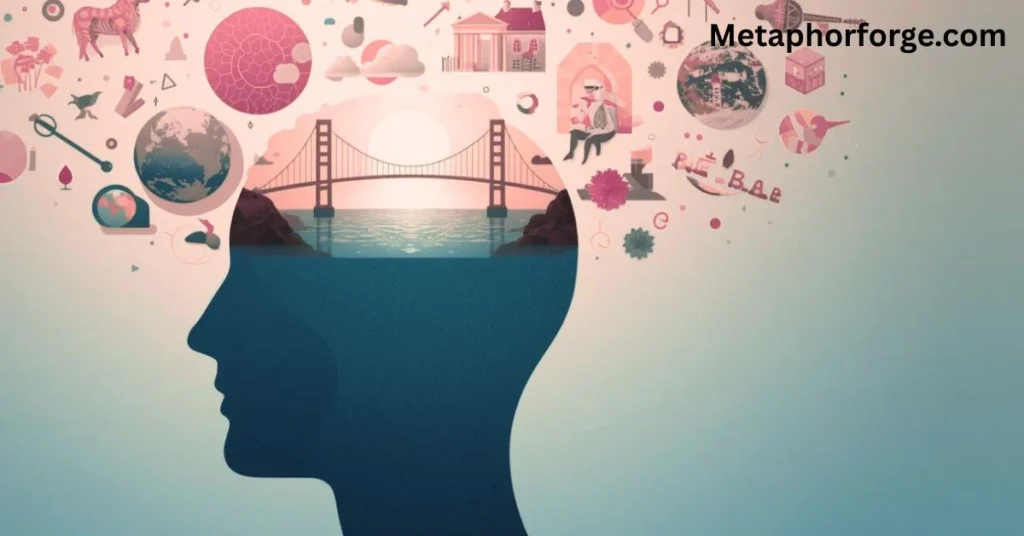
Let me explain this in a simple, human way. The metaphor elicitation technique is not about clever wording or fancy language.
It is about helping people express thoughts and emotions that are hard to explain directly.
When someone uses a metaphor, they reveal how they truly see a situation, often without even realizing it.
This makes the technique powerful, natural, and deeply insightful.
From an expert perspective, this approach is trusted in research, coaching, psychology, and user experience because it uncovers authentic beliefs instead of surface-level answers.
It respects how the human mind naturally thinks in images and stories, making responses more honest, meaningful, and reliable.
That is why professionals rely on it to gain clarity, build trust, and understand real human experiences.
20 Metaphor Elicitation Technique
1. The mind is a locked room waiting for the right key
Meaning: Thoughts are protected until triggered properly
Explanation: Metaphors unlock ideas that direct questions cannot
Examples:
• Her story opened once the right question turned the key
• His silence broke when imagery replaced interrogation
2. A metaphor is a flashlight in a dark cave
Meaning: It brings clarity to hidden thoughts
Explanation: People feel safer explaining ideas indirectly
Examples:
• The image helped her see her own fear
• His words lit up what was buried inside
3. Thoughts flow like an underground river
Meaning: Beliefs exist beneath awareness
Explanation: Metaphors bring subconscious ideas to the surface
Examples:
• The river surfaced through a simple comparison
• His answers flowed once imagery was used
4. Language becomes a bridge, not a barrier
Meaning: Communication feels easier
Explanation: Metaphors reduce pressure to be precise
Examples:
• She crossed the bridge with ease
• The barrier disappeared once symbols entered
5. Metaphors act like mirrors of the inner world
Meaning: They reflect emotions accurately
Explanation: People recognize themselves in images
Examples:
• He saw his stress clearly in that mirror
• Her metaphor reflected exhaustion
6. The technique is a gentle invitation, not an interrogation
Meaning: It feels safe and respectful
Explanation: People open up willingly
Examples:
• She shared freely without fear
• His guard dropped instantly
7. Images speak where logic hesitates
Meaning: Visual language is powerful
Explanation: Emotions are easier to picture than explain
Examples:
• The storm explained his anger
• Her calm was a quiet lake
8. Metaphors turn confusion into stories
Meaning: Ideas gain structure
Explanation: Stories help organize thoughts
Examples:
• His chaos became a journey
• Her fear turned into a cliff edge
9. The mind relaxes when imagination leads
Meaning: Creativity reduces resistance
Explanation: People stop overthinking
Examples:
• He relaxed once imagination took over
• Answers came naturally
10. Metaphors are emotional shortcuts
Meaning: They save effort and time
Explanation: One image replaces many explanations
Examples:
• A single image explained years of stress
• Her metaphor said everything
11. The technique works like emotional mapping
Meaning: Feelings get organized
Explanation: Images create clear mental layouts
Examples:
• His map showed confusion zones
• Her path revealed motivation
12. Metaphors bypass social filters
Meaning: Honest expression increases
Explanation: People feel less judged
Examples:
• Truth slipped out unnoticed
• Her honesty surprised even herself
13. Words become safe containers for feelings
Meaning: Emotions feel manageable
Explanation: Images soften intensity
Examples:
• Anger became steam, not fire
• Sadness turned into rain
14. The process feels like guided discovery
Meaning: Insights feel self found
Explanation: People trust their own metaphors
Examples:
• He discovered answers naturally
• Her realization felt personal
15. Metaphors transform abstract ideas into objects
Meaning: Thoughts feel tangible
Explanation: Tangibility increases clarity
Examples:
• Fear became a heavy bag
• Hope turned into a candle
16. The technique listens between the lines
Meaning: Meaning goes beyond words
Explanation: Images reveal deeper context
Examples:
• His pause said more than speech
• Her image explained the silence
17. Metaphors slow the conversation down
Meaning: Reflection improves depth
Explanation: People think carefully
Examples:
• He paused to visualize
• She chose words thoughtfully
18. Images replace pressure with play
Meaning: Comfort increases engagement
Explanation: Playfulness encourages openness
Examples:
• She smiled while explaining fear
• He enjoyed the process
19. Metaphors carry emotional truth gently
Meaning: Honesty feels lighter
Explanation: Heavy topics feel safer
Examples:
• Pain arrived softly
• Truth felt bearable
20. The technique is a doorway, not a destination
Meaning: It begins deeper exploration
Explanation: Metaphors open paths forward
Examples:
• The doorway led to insight
• Her journey started there
Conclusion
Metaphor elicitation technique helps people express what logic alone cannot reach. It builds trust, reveals hidden beliefs, and turns conversations into meaningful discoveries. By using imagery instead of pressure, this approach creates clarity, honesty, and emotional depth that lasts beyond the conversation itself.
Practical Exercise
- What image describes your current challenge
Answer: A tangled rope - If your goal were a place, where would it be
Answer: A mountain peak - How does your workday feel as weather
Answer: Cloudy with brief sunshine - If stress were an object, what would it be
Answer: A heavy backpack - What image represents motivation
Answer: A rising sun - If progress were movement, how would it look
Answer: Slow but steady steps - How does success sound
Answer: Calm silence - If fear had a shape
Answer: A narrow tunnel - What image shows balance
Answer: A still lake - If change were a journey
Answer: A winding road
