
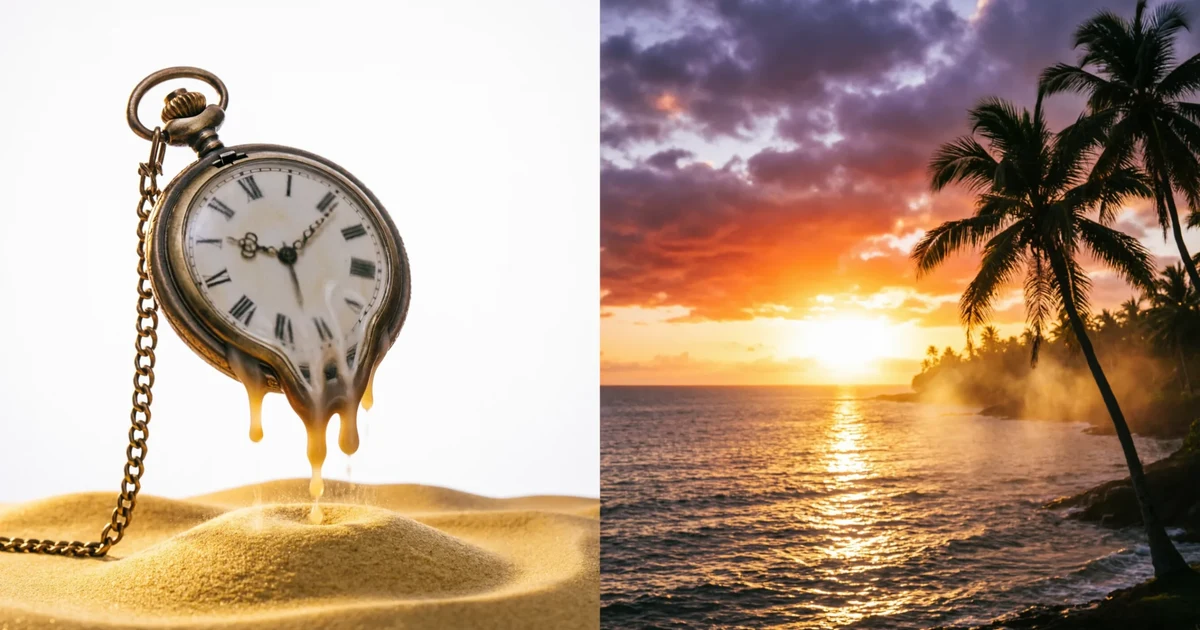
Many students mix up metaphor and imagery because both make writing more vivid and expressive. But they are not the same thing.
Here is the simple truth first:
- Metaphor compares two things directly
- Imagery creates sensory details to help you see, hear, feel, taste, or smell something
Think of it this way:
A metaphor gives meaning through comparison, while imagery builds a picture in your mind.
Once you understand this core idea, everything else becomes much easier.
What metaphor means
Simple definition
A metaphor is a figure of speech that says one thing is another to create meaning or insight.
Purpose
It helps explain ideas, emotions, or situations in a more powerful and creative way.
How it works
Instead of saying something directly, you compare it to something else without using “like” or “as.”
Example
Time is a thief.
This does not mean time is literally a thief. It means time steals moments from our lives.
Why it gets confused with imagery
Metaphors often create strong mental pictures, so people think they are imagery. But the main goal is comparison, not description.
What imagery means
Simple definition
Imagery uses descriptive language to create a sensory experience for the reader.
Purpose
It helps readers imagine what something looks, sounds, feels, tastes, or smells like.
How it works
Writers use vivid details that appeal to the five senses.
Example
The warm bread smelled sweet and buttery as steam rose into the cool air.
This sentence helps you smell and see the scene.
Why it gets confused with metaphor
Imagery can include figurative language like metaphors, so the two often overlap.
Metaphor vs imagery: the core difference
A metaphor is about meaning through comparison, while imagery is about experience through description.
- Metaphor answers: What is this like or equal to?
- Imagery answers: What does this feel like to the senses?
Quick comparison table
| Feature | Metaphor | Imagery |
|---|---|---|
| Definition | Direct comparison | Sensory description |
| Scope | Narrower | Broader |
| Purpose | Explain or symbolize | Create vivid experience |
| Length | Usually short | Can be a phrase, sentence, or paragraph |
| Structure | One thing is another | Descriptive language |
| Meaning | Often symbolic | Often literal or sensory |
| Use in writing | Adds depth and insight | Adds detail and atmosphere |
| Example | Life is a journey | The dusty road stretched under the hot sun |
How metaphor works
A metaphor works by linking two different ideas to reveal a deeper meaning.
For example, when you say “He has a heart of stone,” you are not describing a real stone. You are showing that the person lacks emotion or kindness.
Good metaphors are simple but meaningful. They help readers understand complex ideas quickly.
How imagery works
Imagery works by building a scene in the reader’s mind using sensory details.
Instead of saying “It was a nice day,” you might say:
“The sunlight filtered through the leaves while a soft breeze cooled the skin.”
Now the reader can feel and see the moment.
Key differences in simple language
- A metaphor explains by comparing
- Imagery shows by describing
- A metaphor is one tool
- Imagery is a larger technique that can include many tools
Can metaphor and imagery overlap?
Yes, and this is where confusion usually happens.
A metaphor can also create imagery.
Example:
“The city is a jungle of noise and chaos.”
This is a metaphor, but it also creates a strong image in your mind.
So the rule is:
- All metaphors can create imagery
- Not all imagery is metaphor
Examples of metaphor
- Her voice is music
- The classroom was a zoo
- He carries the weight of the world
Each one compares two things to express meaning.
Examples of imagery
- The icy wind cut across my face
- Bright red leaves covered the ground
- The coffee tasted bitter and strong
These focus on sensory experience.
Metaphor vs imagery in literature and writing
Writers use both to improve their work, but for different reasons.
- Use metaphor to express themes, emotions, or deeper meanings
- Use imagery to bring scenes and moments to life
In poetry, they often appear together. A poet may use imagery to build a scene and metaphors to give it meaning.
Metaphor vs imagery for students and ESL learners
If you are learning English, this difference can help you a lot.
- Use imagery when you want to describe something clearly
- Use metaphors when you want to sound creative or expressive
Start with simple descriptions first, then try adding metaphors later.
Common mistakes and confusion
- Thinking they are the same
They are related but not identical - Calling every description a metaphor
Descriptions are usually imagery, not metaphor - Overusing metaphors
Too many comparisons can confuse the reader - Ignoring clarity
Clear writing is always more important than creative writing
When to use metaphor and when to use imagery
Use metaphor when:
- You want to explain an idea creatively
- You want to express emotion or theme
- You want your writing to feel deeper
Use imagery when:
- You want readers to visualize something
- You want to describe a scene clearly
- You want to make writing more engaging
Best writing uses both in balance.
Related terms people often confuse with them
- Simile: comparison using like or as
- Symbolism: objects representing ideas
- Personification: giving human traits to non-human things
- Descriptive language: general term for detailed writing
- Figurative language: includes metaphor, simile, and more
Conclusion
Metaphor and imagery work together, but they serve different roles. A metaphor gives meaning through comparison. Imagery builds a sensory experience. If you remember this simple difference, you can use both with confidence in your writing.
FAQs
1. Is metaphor a type of imagery?
Not exactly. A metaphor can create imagery, but imagery is a broader concept.
2. Can imagery exist without metaphor?
Yes. Simple descriptions can create imagery without any comparison.
3. Which one is more important in writing?
Both matter. Imagery helps readers see, while metaphor helps them understand.
4. Is metaphor always figurative?
Yes, metaphors are always figurative because they are not literal.
5. Can I use both in one sentence?
Yes, and many good writers do this.
6. Why do students confuse them?
Because both create vivid effects and often appear together