
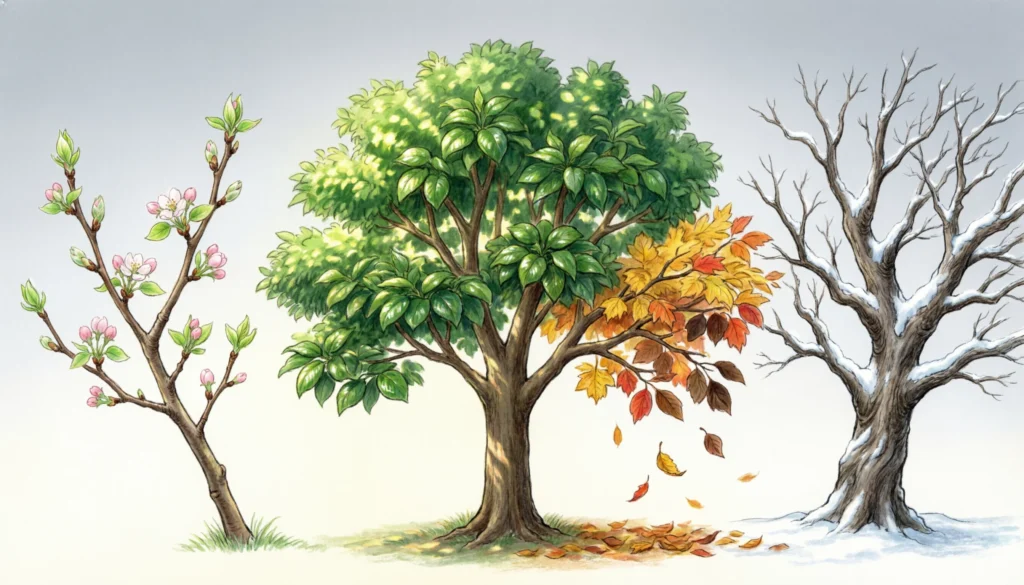
Aging touches every person, yet people describe it in many creative ways. Writers, students, and everyday speakers often use metaphors to express the changes that come with growing older. These comparisons help make abstract ideas more vivid and easier to understand.
In simple terms, metaphors for aging connect life’s later stages with familiar images like seasons, journeys, or objects. This article explains these metaphors clearly and shows how to use them naturally in writing and conversation.
What metaphors for aging means
- Metaphors for aging compare getting older to something else
- They help explain physical, emotional, and mental changes
- They make language more expressive and relatable
- They often reflect culture, humor, or personal attitudes toward age
- They simplify complex ideas about life stages
Common, popular, funny, useful, and everyday metaphors for aging
People use many types of metaphors for aging. Some sound poetic, while others feel casual or humorous.
Common ones:
- Aging as seasons (spring, summer, autumn, winter)
- Aging as a journey or road
- Aging as a clock or timepiece
Funny ones:
- “Getting rusty”
- “Running on low battery”
Everyday ones:
- “Over the hill”
- “Not as young as I used to be”
Useful ones:
- “Aging like fine wine”
- “Turning a new chapter”
Metaphors for aging with meanings and examples
Here are practical metaphors you can use:
- Aging like fine wine
Meaning: Improving with age
Example: She is aging like fine wine, becoming wiser every year. - Over the hill
Meaning: Past one’s prime
Example: He jokes that he is over the hill after turning forty. - In the autumn of life
Meaning: Later stage of life
Example: He enjoys peace in the autumn of his life. - Running out of steam
Meaning: Losing energy with age
Example: I feel like I’m running out of steam after long workdays. - A well-worn book
Meaning: Full of experience and stories
Example: Her life feels like a well-worn book filled with memories. - The sands of time
Meaning: Time passing steadily
Example: The sands of time remind us to value each moment. - Burning candle
Meaning: Life slowly fading
Example: His energy feels like a candle burning low. - Turning the page
Meaning: Entering a new life stage
Example: Retirement helped her turn the page to a new chapter.
How to use metaphors for aging in sentences
Use these metaphors to add color and emotion to your language. Keep your sentences simple and clear.
- Choose a metaphor that matches the tone
- Avoid mixing too many metaphors in one sentence
- Use them where they naturally fit the context
Examples:
- I feel like I’m entering the autumn of life.
- He is aging like fine wine.
- She turned the page and started a new phase.
Metaphors for aging for writing and speaking
Metaphors improve both writing and speaking skills. They help you:
- Make essays more engaging
- Add depth to storytelling
- Express feelings about aging in a creative way
- Keep listeners interested in conversations
For formal writing, choose softer metaphors like “autumn of life.” For casual speech, you can use humorous ones like “over the hill.”
Metaphors for aging for students and ESL learners
If you are learning English, metaphors may seem tricky at first. Start with simple ones and practice regularly.
Tips:
- Learn one metaphor at a time
- Use it in your own sentence
- Listen to how native speakers use it
- Avoid translating directly from your language
Simple starter examples:
- Aging like fine wine
- Over the hill
- Turning a new chapter
Metaphors for aging in conversations
People often use these metaphors in everyday talk.
Examples:
- “I’m not old, just aging like fine wine.”
- “I guess I’m in the autumn of my life now.”
- “After that long hike, I felt like I was running out of steam.”
These phrases make conversations feel natural and expressive.
Similar phrases and expressions
- Growing older gracefully
- Past one’s prime
- Getting on in years
- Full of wisdom
- Life is a journey
These expressions carry similar meanings and can replace metaphors when needed.
Common mistakes
- Using too many metaphors in one sentence
- Choosing a metaphor that does not fit the context
- Using very complex metaphors in simple conversations
- Misunderstanding tone (some metaphors can sound rude)
- Translating metaphors directly from another language
Keep your usage simple and natural to avoid confusion.
Conclusion
Metaphors for aging help you describe life’s changes in a vivid and meaningful way. They make your language more interesting and easier to understand. Whether you write essays, tell stories, or speak casually, these metaphors add depth and personality to your communication. With practice, you can use them confidently and naturally.
FAQs
1. What are metaphors for aging?
They are comparisons that describe getting older using images like seasons or journeys.
2. Why should I use metaphors for aging?
They make your language more expressive and engaging.
3. Are metaphors for aging formal or informal?
They can be both, depending on the phrase you choose.
4. Can ESL learners use these metaphors easily?
Yes, if they start with simple and common expressions.
5. Is “over the hill” polite?
It can sound humorous but may feel rude in formal situations.
6. What is the easiest metaphor to learn?
“Aging like fine wine” is simple and widely understood.
7. How can I practice using metaphors?
Write short sentences and use them in daily conversations.

Zara Hope is a passionate writer at MetaphorForge, known for turning complex emotions into powerful metaphors. She specializes in creative, relatable content that connects deeply with readers. With a strong command of storytelling, she brings clarity and warmth to abstract ideas. Her work inspires reflection, growth, and meaningful understanding through words.