
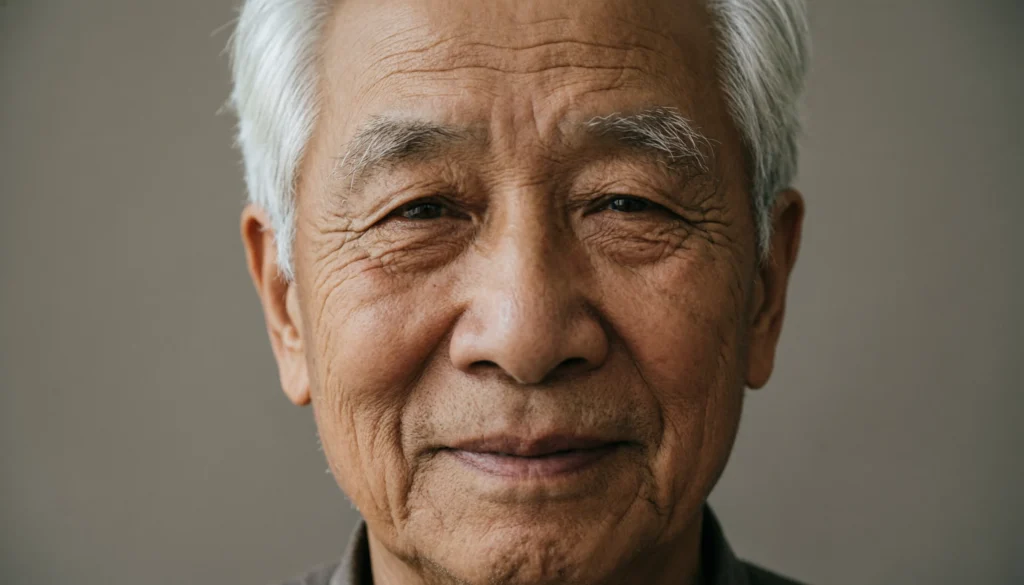
Wrinkles are a natural part of aging, but language often paints them in creative, vivid ways. Writers, students, and English learners can use metaphors to describe wrinkles more expressively and thoughtfully. These comparisons help turn a simple physical feature into something meaningful, poetic, or even humorous.
In everyday conversation and writing, metaphors for wrinkles can reflect wisdom, time, emotion, or personality. This article explores useful and engaging ways to describe wrinkles so you can improve your vocabulary, writing style, and speaking skills.
What “metaphors for wrinkles” means
- Creative comparisons used to describe wrinkles in a vivid or symbolic way
- Expressions that connect wrinkles with nature, objects, or experiences
- A stylistic tool often used in writing, poetry, and storytelling
- A way to add emotion, humor, or depth to descriptions of aging
- Helpful language devices for improving fluency and imagination
Common, popular, funny, useful, and everyday metaphors for wrinkles
People use metaphors for wrinkles in both serious and lighthearted ways. Some highlight wisdom and life experience, while others bring humor or visual imagery. You might hear wrinkles described as “maps,” “lines,” or “folds,” depending on context.
Here are different types:
- Common: “lines of age,” “crow’s feet”
- Popular: “roadmap of life,” “etched memories”
- Funny: “crumpled paper,” “folded fabric”
- Useful: “fine lines,” “skin creases”
- Everyday: “smile lines,” “laugh marks”
Metaphors for wrinkles with meanings and examples
1. Roadmap of life
- Meaning: Wrinkles show life experiences
- Example: Her face was a roadmap of life, full of stories and memories.
2. Crow’s feet
- Meaning: Wrinkles around the eyes
- Example: His crow’s feet deepened every time he smiled.
3. Lines of wisdom
- Meaning: Wrinkles represent knowledge and experience
- Example: The lines of wisdom on her face made her look dignified.
4. Etched memories
- Meaning: Wrinkles reflect past events and emotions
- Example: His forehead carried etched memories of years gone by.
5. Crumpled paper
- Meaning: Skin looks wrinkled like crushed paper (often humorous)
- Example: After the long trip, his face looked like crumpled paper.
6. Folded fabric
- Meaning: Wrinkles resemble folds in cloth
- Example: Her skin had the soft look of folded fabric.
7. Time’s signature
- Meaning: Wrinkles are marks left by time
- Example: Each wrinkle felt like time’s signature on her face.
8. Rivers on the skin
- Meaning: Wrinkles look like flowing lines
- Example: Deep wrinkles ran like rivers on his cheeks.
9. Smile lines
- Meaning: Wrinkles formed from smiling
- Example: Her smile lines showed a lifetime of happiness.
10. Age’s artwork
- Meaning: Wrinkles are seen as artistic marks of aging
- Example: His face was age’s artwork, detailed and unique.
How to use metaphors for wrinkles in sentences
Use metaphors to add color and emotion to your descriptions. Instead of saying “He has wrinkles,” try something more expressive:
- His face carried the roadmap of a long, adventurous life.
- Gentle smile lines framed her warm expression.
- Time had drawn fine rivers across his forehead.
Keep your tone in mind. Choose respectful metaphors in formal writing and playful ones in casual conversation.
Metaphors for wrinkles for writing and speaking
Writers often use these metaphors in stories, essays, and poems. They help readers visualize characters and connect emotionally. In speaking, these expressions make your language more engaging and natural.
For example:
- In storytelling: “The old man’s face was a map filled with untold journeys.”
- In speeches: “Wrinkles are not flaws but signs of a life fully lived.”
Metaphors for wrinkles for students and ESL learners
If you are learning English, metaphors can improve both vocabulary and fluency. Start with simple ones like:
- smile lines
- lines of age
- crow’s feet
Practice by:
- Writing short sentences
- Describing people in pictures
- Using metaphors in daily conversation
Focus on clarity first, then creativity.
Metaphors for wrinkles in conversations
In real conversations, people often use softer or kinder metaphors:
- “She has lovely smile lines.”
- “His face shows years of experience.”
- “Those lines tell a story.”
Avoid harsh or negative comparisons unless joking with close friends.
Similar phrases and expressions
- Fine lines
- Skin creases
- Signs of aging
- Facial lines
- Marks of time
- Laugh lines
These phrases work well when you want a more neutral or polite tone.
Common mistakes
- Using metaphors that sound insulting in formal settings
- Overusing dramatic comparisons in simple writing
- Mixing metaphors (e.g., “rivers of folded paper”)
- Choosing expressions that don’t match the tone
- Forgetting clarity while trying to be creative
Conclusion
Metaphors for wrinkles bring life to your language. They help you describe aging in a respectful, creative, and sometimes humorous way. Whether you write stories, learn English, or simply want to speak better, these expressions can make your communication more vivid and meaningful.
FAQs
1. Why use metaphors for wrinkles?
They make descriptions more expressive and engaging.
2. Are these metaphors suitable for formal writing?
Yes, but choose respectful and neutral ones.
3. What is the most common metaphor for wrinkles?
“Crow’s feet” and “smile lines” are widely used.
4. Can ESL learners use these easily?
Yes, start with simple expressions and practice regularly.
5. Are funny metaphors appropriate?
Only in casual or friendly contexts.
6. Do metaphors improve writing skills?
Yes, they add creativity and depth.
7. How can I practice using them?
Write sentences, describe people, and use them in conversations.
Mia Belle is a skilled content writer at MetaphorForge, celebrated for her elegant use of language and vivid metaphors. She crafts emotionally rich pieces that make complex ideas easy to grasp. With a refined storytelling style, she connects deeply with readers. Her work reflects creativity, insight, and clarity.