
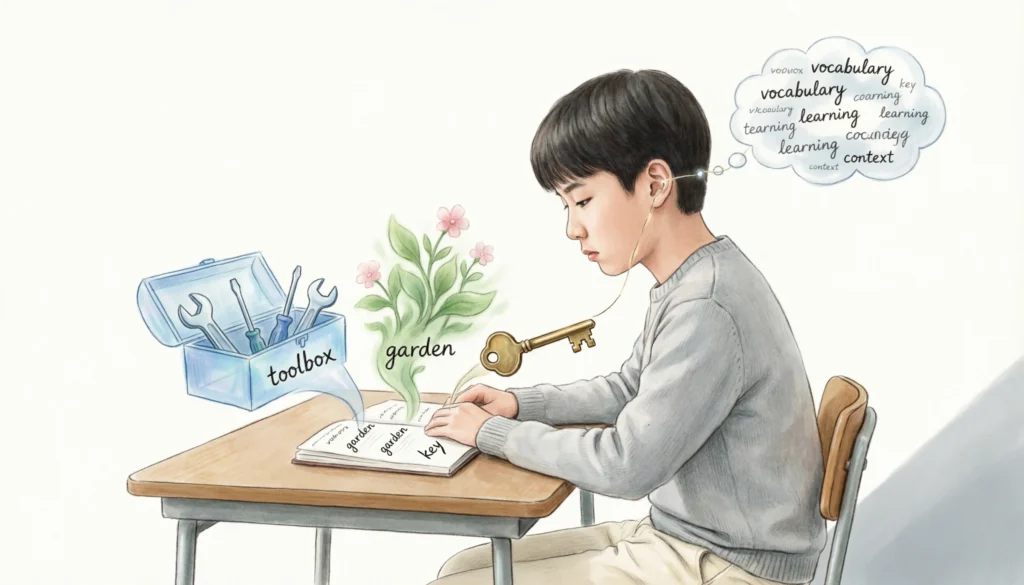
Vocabulary is more than a list of words. It shapes how we think, speak, and express ideas. When learners struggle with vocabulary, the problem is often not memory but connection. Words feel dry and disconnected from real life. That is where metaphors help. They turn abstract ideas into something you can see, feel, and understand.
In this guide, you will learn powerful metaphors for vocabulary that make learning easier and more engaging. Whether you are a student, writer, or ESL learner, these expressions will help you describe vocabulary in creative ways and use language more naturally.
What metaphors for vocabulary means
- Creative ways to describe vocabulary using comparisons
- Tools that make word learning easier and more visual
- Expressions that connect language with real life ideas
- A method to explain how vocabulary grows and works
- A way to improve speaking and writing with vivid language
Common, popular, funny, useful, and everyday metaphors for vocabulary
- Vocabulary is a toolbox
- Vocabulary is a garden
- Vocabulary is a treasure chest
- Vocabulary is a muscle
- Vocabulary is a bridge
- Vocabulary is a map
- Vocabulary is a library
- Vocabulary is a key
- Vocabulary is a river
- Vocabulary is a paint palette
Metaphors for vocabulary with meanings and examples
Vocabulary is a toolbox
Meaning: Words are tools you use to express ideas
Example: A strong vocabulary is a toolbox that helps you fix any communication problem
Vocabulary is a garden
Meaning: Words grow with practice and care
Example: Her vocabulary is a garden that blooms more every day
Vocabulary is a treasure chest
Meaning: Words are valuable and powerful
Example: Reading books fills your vocabulary treasure chest
Vocabulary is a muscle
Meaning: It gets stronger with use
Example: You need to train your vocabulary like a muscle
Vocabulary is a bridge
Meaning: Words connect people and ideas
Example: Good vocabulary builds a bridge between cultures
Vocabulary is a map
Meaning: Words guide understanding
Example: His vocabulary acts like a map in complex discussions
Vocabulary is a library
Meaning: A collection of knowledge stored in words
Example: Her mind is a library full of rich vocabulary
Vocabulary is a key
Meaning: Words unlock meaning and communication
Example: Vocabulary is the key to clear expression
Vocabulary is a river
Meaning: Language flows and changes over time
Example: Vocabulary flows like a river through different cultures
Vocabulary is a paint palette
Meaning: Words add color to communication
Example: Writers use vocabulary like a paint palette
How to use metaphors for vocabulary in sentences
Use these metaphors when you want to explain learning, growth, or communication
- Treat your vocabulary like a garden and keep adding new words
- Build your vocabulary toolbox by learning five words daily
- Use vocabulary as a bridge when speaking with new people
- Think of vocabulary as a key that opens new opportunities
- Strengthen your vocabulary muscle with regular reading
Metaphors for vocabulary for writing and speaking
Metaphors make your writing more engaging and clear
They help readers visualize your ideas quickly
In speaking, they make explanations simple and memorable
Writers use them to avoid repetition and add depth
Students can use them in essays, presentations, and stories
Metaphors for vocabulary for students and ESL learners
Students often find vocabulary difficult because it feels abstract
Metaphors turn words into images and actions
ESL learners can connect new words with familiar ideas
For example, thinking of vocabulary as a toolbox helps learners see purpose
This approach improves memory and confidence in communication
Metaphors for vocabulary in conversations
You can use these naturally in daily talk
- My vocabulary is growing like a garden these days
- I need more tools in my vocabulary toolbox
- Reading helps me fill my treasure chest of words
- I feel my vocabulary muscle getting stronger
- Good vocabulary acts like a bridge in conversations
Similar phrases and expressions
- Word bank
- Language skills
- Lexical knowledge
- Word power
- Language toolkit
- Communication skills
Common mistakes
Do not mix too many metaphors in one sentence
Avoid using complex metaphors that confuse meaning
Do not force metaphors where simple language works better
Keep your metaphors relevant to the topic
Use them naturally instead of overusing them
Conclusion
Metaphors for vocabulary make language learning simple and engaging. They help you see words as tools, bridges, and keys instead of isolated items. This approach improves understanding and memory. Students and ESL learners benefit the most because metaphors connect new words with familiar ideas. Writers also use them to add depth and clarity. If you practice these metaphors in daily speaking and writing, your vocabulary will grow naturally. Keep learning new words, use them often, and think of vocabulary as something alive and useful in your life.
FAQs
What are metaphors for vocabulary
They are creative comparisons that explain vocabulary using simple and familiar ideas
Why are metaphors useful for vocabulary learning
They make abstract concepts easier to understand and remember
Can ESL learners use vocabulary metaphors
Yes, they help ESL learners connect new words with real life concepts
How can I improve vocabulary using metaphors
Use visual ideas like garden or toolbox to organize and remember words
Are metaphors important in writing
Yes, they make writing more engaging and easier to understand
How many metaphors should I use in writing
Use a few relevant ones to keep your content clear and natural

Luna Grace is a contemporary author whose writing blends emotional depth with powerful metaphors.
Her work explores healing, self-discovery, and the quiet courage found in personal growth.
With a reflective and poetic style, she turns lived experiences into meaningful insights.
At MetaphorForge, Luna Grace represents writing that resonates, comforts, and inspires transformation.