
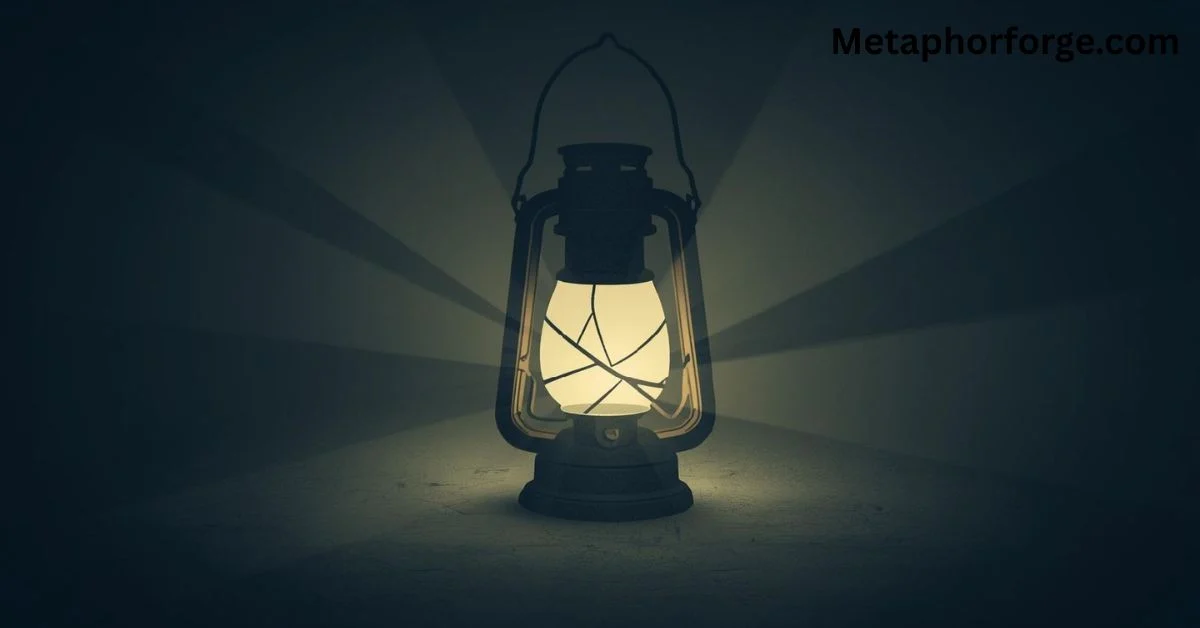
I remember the first time I tried to write about suicide, my hands froze over the keyboard. Not because I didn’t know the word, but because I knew the weight it carries. Every sentence felt dangerous too blunt, too careless, too silent. That was the issue I faced. I wanted to talk about it honestly, without glorifying pain or ignoring it, and I didn’t know how to do that at first.
I realized I was trying to explain something that is often felt more than spoken. Suicide isn’t just an act people talk about it’s a storm of thoughts, exhaustion, and feeling trapped with no visible exit. I had been there emotionally, standing at the edge of overwhelming darkness, and I knew how important words can be in moments like that. Words can either isolate or they can open a door.
That’s how I handled the problem. Instead of using harsh language, I turned to metaphors that describe the struggle, not the act. Suicide became a locked room with no windows, a heavy fog that convinces you the sun is gone forever, a lie pain tells when it wants control. These metaphors helped me speak about suffering without celebrating it.
Now, when I talk to you about metaphors for suicide, I’m not trying to romanticize despair. I’m trying to give language to pain so it can be understood and challenged. If you’ve ever felt overwhelmed, numb, or trapped, please know this: I’ve been there, and help changed everything. Talking, reaching out, and staying did too.
If this topic connects to something personal for you, you don’t have to face it alone. Reaching out to a trusted person or a local support service can be a powerful first step. You matter more than the silence ever says.
20 Metaphors for Suicide
1. Suicide feels like standing at the edge of a cliff
Meaning: Overwhelming emotional pressure
Explanation: The person feels pushed toward a final edge with no safe ground.
Examples:
• He described his thoughts as standing at the edge of a cliff.
• The fear came from feeling too close to the edge.
2. Suicide is a dark tunnel with no visible exit
Meaning: Loss of hope
Explanation: Pain blocks the ability to see future possibilities.
Examples:
• She felt trapped in a dark tunnel.
• Hope seemed far away.
3. Suicide thoughts are a storm in the mind
Meaning: Mental chaos
Explanation: Emotions become loud, confusing, and exhausting.
Examples:
• The storm never gave him rest.
• Calm felt unreachable.
4. Suicide feels like drowning in silence
Meaning: Feeling unheard
Explanation: Pain exists without expression or support.
Examples:
• He was drowning quietly.
• No one noticed the struggle.
5. Suicide is a heavy shadow
Meaning: Persistent darkness
Explanation: The thoughts follow even in normal moments.
Examples:
• The shadow stayed close.
• Light felt distant.
6. Suicide feels like a broken bridge
Meaning: Disconnection
Explanation: The person cannot see a way forward.
Examples:
• The bridge ahead felt shattered.
• Moving on seemed impossible.
7. Suicide thoughts are a locked room
Meaning: Emotional isolation
Explanation: Feelings are trapped inside.
Examples:
• He lived in a locked room.
• The door felt sealed.
8. Suicide feels like emotional free fall
Meaning: Loss of control
Explanation: Everything feels unstable at once.
Examples:
• She feared the fall.
• There was nothing to grab onto.
9. Suicide is a weight on the chest
Meaning: Emotional suffocation
Explanation: Sadness makes breathing feel difficult.
Examples:
• The weight never lifted.
• Each day felt heavier.
10. Suicide thoughts are a cracked lens
Meaning: Distorted thinking
Explanation: Reality is seen through pain.
Examples:
• The lens twisted every thought.
• Hope looked unreal.
11. Suicide feels like shouting underwater
Meaning: Unable to be heard
Explanation: Attempts to express pain fail.
Examples:
• His cries stayed silent.
• Help felt unreachable.
12. Suicide is a collapsing roof
Meaning: Overwhelming pressure
Explanation: Emotional safety feels gone.
Examples:
• The roof caved in slowly.
• She felt crushed.
13. Suicide thoughts are a maze without signs
Meaning: Confusion
Explanation: The person feels lost in their own mind.
Examples:
• Every turn led nowhere.
• Direction disappeared.
14. Suicide feels like emotional exhaustion
Meaning: Mental burnout
Explanation: The pain drains all energy.
Examples:
• He felt empty.
• Rest never helped.
15. Suicide is a dimming light
Meaning: Fading hope
Explanation: Joy feels distant, not gone forever.
Examples:
• The light grew weak.
• Darkness felt stronger.
16. Suicide thoughts are a loud silence
Meaning: Internal noise
Explanation: The mind never rests.
Examples:
• Silence screamed at him.
• Peace felt impossible.
17. Suicide feels like carrying invisible scars
Meaning: Hidden pain
Explanation: Others may not see the struggle.
Examples:
• She smiled with scars inside.
• Pain stayed unseen.
18. Suicide is a frozen moment
Meaning: Feeling stuck
Explanation: Time seems unable to move forward.
Examples:
• Life paused.
• Change felt impossible.
19. Suicide thoughts are a false ending
Meaning: Misleading belief
Explanation: Pain convinces the mind there is no alternative.
Examples:
• The ending felt certain.
• Hope was ignored.
20. Suicide feels like losing the map
Meaning: Directionless despair
Explanation: The path forward feels invisible, not absent.
Examples:
• The map was missing.
• Guidance felt lost.
Conclusion
Pain can shrink the world until it feels unbearable, but these feelings are signals, not instructions. Understanding them through metaphors allows space for compassion and conversation. Help, support, and understanding can slowly restore perspective. If you or someone you know is struggling, reaching out to trusted people or mental health professionals can truly save lives.
Practical Exercise
- What emotions appear most often?
Answer: Sadness, fear, or exhaustion. - Which metaphor feels familiar?
Answer: The one matching daily thoughts. - When do these thoughts grow stronger?
Answer: During isolation or stress. - What helps even a little?
Answer: Talking or resting. - Who feels safe to talk to?
Answer: A trusted person. - What support have you avoided?
Answer: Professional help. - What does hope look like today?
Answer: Small moments of relief. - What reminds you of value?
Answer: People or goals. - What step can you take now?
Answer: Reaching out. - What would you tell a friend?
Answer: You matter and help exists.

Ryan Chase is a skilled writer at MetaphorForge, recognized for his powerful and meaningful metaphors. He explores themes of personal growth, emotions, and everyday life with clarity and depth. His writing turns complex feelings into simple, relatable expressions. Through his work, readers gain fresh perspectives on their own experiences.