
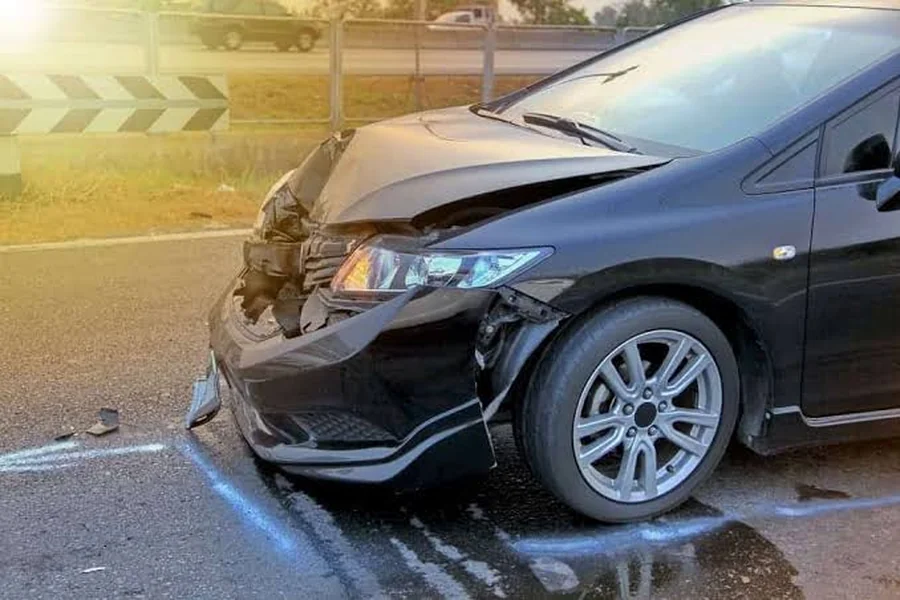
A hit-and-run leaves you with injuries, vehicle damage, and no driver to hold accountable. The person who caused the crash is gone, and the burden of proving what happened falls on you. That is why the evidence needed to prove a hit-and-run matters so much.
California has seen a troubling rise in deadly hit-and-run crashes in recent years. If a driver fled after hitting you, speaking with an experienced car accident lawyer early can help protect your claim before key evidence disappears.
A hit-and-run happens when a driver strikes another vehicle, a pedestrian, or property and leaves without helping or identifying themselves. It does not matter whether the crash was minor or severe. Leaving the scene is the offense.
California Vehicle Code 20001 requires drivers involved in a crash to stay at the scene and share their information. Fleeing can be charged as a misdemeanor or a felony, depending on the circumstances.
Why Drivers Flee
Drivers leave the scene for many reasons, including:
- Driving under the influence
- Fear of losing a license over past citations
- Driving a borrowed or stolen vehicle
- Having a suspended license or no license
- Carrying illegal substances
Criminal Case vs. Civil Claim
A hit-and-run can lead to two separate legal tracks. In the criminal case, police and prosecutors work to identify the driver and decide on charges. Their goal is accountability under the law.
Your civil claim has a different purpose. It focuses on recovering compensation for medical bills, vehicle repairs, lost income, and pain and suffering. If the driver is never found, other coverage options, such as your own uninsured motorist coverage, may come into play.
An attorney can help you pursue both paths while keeping your claim moving forward. Many personal injury practice areas involve this kind of dual track, so it helps to work with a team that handles both.
What You Must Prove in a Hit-and-Run Claim
You have the right to seek compensation if you were hurt or your property was damaged. However, you carry the responsibility of proving the other driver was at fault.
A successful civil claim generally requires you to show four elements:
- The other driver owed you a duty of care
- The driver breached that duty
- The driver’s actions were the proximate cause of your harm
- You suffered real injuries or property damage as a result
Evidence That Helps Prove a Hit and Run
Once you understand the elements, the next step is gathering evidence that supports each one. The more you collect, the stronger your position.
Details That Identify the Driver or Vehicle
Even partial information can lead investigators to the at-fault driver. Write down the make, model, and color of the vehicle, any part of the license plate, and the direction it was traveling. Anything you remember right away is worth recording.
Video and Audio Footage
Security cameras, traffic cameras, doorbell cameras, and dashcams may have captured the crash. This footage is often overwritten within days, so request it quickly. A lawyer can send preservation requests to protect it.
Witness Information
Independent witnesses can confirm what happened and describe the fleeing vehicle. Get names and phone numbers before people leave the scene. Their accounts carry real weight when the other driver is missing.
Photos of Damage and Injuries
Photograph your vehicle from several angles, the road, any skid marks, and your visible injuries. Pictures show the force of the impact and help connect the crash to your harm. Take them as soon as it is safe to do so.
What to Do After a Hit-and-Run
The California DMV outlines basic steps to follow when a driver flees:
- Stop your vehicle and call 911 to report the crash
- Move to a safe location if you can
- Exchange insurance, registration, and license details with anyone who stayed, and share them with the responding officer
- Contact an attorney if there are serious injuries, a fatality, or major property damage
If your injuries are not serious, you can also:
- Take photos of your car from every angle
- Collect witness contact details and ask what they saw of the other vehicle
- Look for debris or dropped parts that could help identify the car
Seek medical care as well, even if you feel fine. Some injuries show up later, and medical records help document your claim.
Get Help With Your Hit-and-Run Case
Pursuing a hit-and-run claim is draining, especially when you are unsure where to start. Knowing what evidence you need is one challenge. Collecting it before it is lost is another.
If you or a loved one was injured by a driver who fled, consult with a law firm that has offices near you and a track record with these cases. You can also start with a free case review to learn where you stand.
Hit-and-Run Accident FAQs
How much compensation can I recover after a hit-and-run?
It depends on the facts of your case, including who was at fault, how the crash happened, and the extent of your injuries and damages. An attorney can review your situation and explain your options.
What if my insurance company denies my hit-and-run claim?
Insurers sometimes dispute responsibility after a hit-and-run. If that happens, an experienced car accident attorney can review the denial and help you decide what to do next.
