
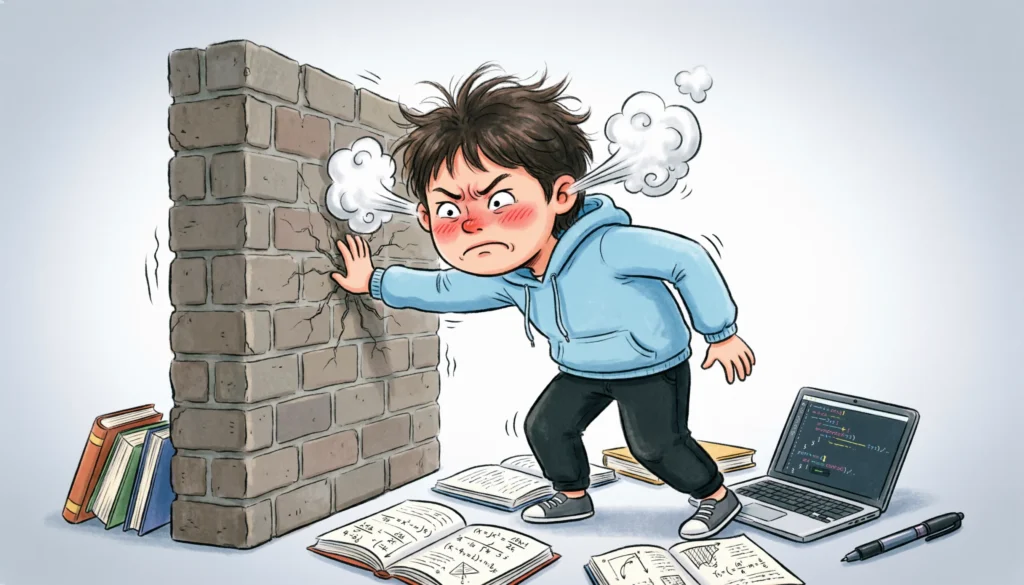
Frustration is a feeling everyone experiences. Students feel it during difficult exams, writers face it during creative blocks, and ESL learners encounter it when words refuse to cooperate.
Instead of saying “I feel frustrated” again and again, English speakers often use metaphors for frustration. These expressions paint a vivid picture of the emotion. They help conversations sound more natural, expressive, and engaging.
This guide explains the meaning of frustration metaphors and shows you practical ways to use them in writing and everyday speech.
What “Metaphors for Frustration” Means
Metaphors for frustration compare frustration to another experience or situation. Instead of describing the emotion directly, they create an image that helps others understand how intense the feeling is.
For example:
- “I’m banging my head against a wall.”
This metaphor doesn’t mean someone is actually hitting their head. It means they feel stuck and nothing seems to work.
Metaphors make language more colorful, memorable, and expressive.
Common, Popular, Funny, Useful, and Everyday Metaphors for Frustration
People use frustration metaphors in daily conversations, classrooms, offices, and writing. Some sound serious, while others add humor.
Popular examples include:
- banging your head against a wall
- hitting a brick wall
- running in circles
- pulling your hair out
- steam coming out of your ears
These phrases help speakers express emotional intensity without long explanations.
Metaphors for Frustration With Meanings and Examples
Here are common metaphors and expressions people use when they feel frustrated.
Banging your head against a wall
Meaning: Trying hard but making no progress.
Example: I feel like I’m banging my head against a wall trying to fix this computer.
Hitting a brick wall
Meaning: Reaching a point where progress stops suddenly.
Example: My research moved quickly until I hit a brick wall with missing data.
Running in circles
Meaning: Doing a lot of work without achieving results.
Example: We spent the whole meeting running in circles instead of solving the problem.
Pulling your hair out
Meaning: Feeling extremely frustrated or stressed.
Example: I was pulling my hair out trying to finish the assignment on time.
Steam coming out of your ears
Meaning: Being extremely angry or frustrated.
Example: When the printer stopped again, I almost had steam coming out of my ears.
Climbing the walls
Meaning: Feeling restless and irritated.
Example: After waiting for three hours, I started climbing the walls.
Stuck in quicksand
Meaning: Feeling trapped in a problem that keeps getting worse.
Example: The more edits I made, the more mistakes appeared. I felt stuck in quicksand.
Like a pressure cooker
Meaning: Stress and frustration building up inside.
Example: Exam week feels like living inside a pressure cooker.
A storm building inside
Meaning: Growing frustration or anger.
Example: I could feel a storm building inside as the delays continued.
Walking into a closed door
Meaning: Facing rejection or repeated obstacles.
Example: Every job application felt like walking into a closed door.
How to Use Metaphors for Frustration in Sentences
Using these metaphors is simple when you follow a few tips.
Match the situation
Use strong metaphors for intense frustration.
Example:
“I’m hitting a brick wall with this math problem.”
Keep the tone natural
Some metaphors fit casual conversation better than formal writing.
Example:
“I’m pulling my hair out over this essay.”
Avoid overusing them
Too many metaphors in one paragraph can confuse readers. Choose one that fits best.
Example:
“I’ve been running in circles trying to fix this bug.”
Metaphors for Frustration in Writing and Speaking
Writers and speakers use metaphors to create emotion and clarity.
In storytelling
Metaphors help readers feel a character’s struggle.
Example:
“Every new clue felt like another brick wall.”
In essays or blogs
They make explanations more engaging.
Example:
“Learning grammar sometimes feels like climbing a steep hill.”
In speeches
Metaphors connect with audiences quickly.
Example:
“We cannot keep running in circles—we need real solutions.”
Metaphors for Frustration for Students and ESL Learners
Students and English learners benefit from learning metaphors because they:
- improve vocabulary
- make speech more natural
- help understand native speakers
Start with simple expressions like:
- hitting a wall
- running in circles
- pulling your hair out
Practice by writing short sentences using each phrase.
Example practice:
“I kept running in circles while studying calculus.”
Metaphors for Frustration in Conversations
Native speakers use frustration metaphors frequently in daily life.
Examples:
At school
“I’m hitting a brick wall with this chemistry problem.”
At work
“We’re running in circles during these meetings.”
At home
“I’m pulling my hair out trying to fix the Wi-Fi.”
Using these phrases helps conversations sound natural and expressive.
Similar Phrases and Expressions
These expressions also communicate frustration.
At your wit’s end
Meaning: Completely out of patience or ideas.
Example: I’m at my wit’s end with this slow internet.
Losing your mind
Meaning: Becoming extremely frustrated.
Example: I’m losing my mind waiting for the results.
Fed up
Meaning: Tired of something annoying.
Example: I’m fed up with these constant delays.
Ready to explode
Meaning: Feeling close to bursting with frustration.
Example: After the third mistake, I was ready to explode.
On the verge of snapping
Meaning: Almost losing patience.
Example: The endless noise put me on the verge of snapping.
Common Mistakes
Many learners make small mistakes when using metaphors for frustration.
Taking metaphors literally
Metaphors describe feelings, not real actions.
Incorrect:
“I actually hit a brick wall.”
Correct:
“I hit a brick wall with my research.”
Mixing metaphors
Combining different metaphors can confuse readers.
Incorrect:
“I’m running in circles hitting a brick wall.”
Correct:
“I’m running in circles trying to solve the issue.”
Using them in very formal writing
Some metaphors sound too casual for academic papers.
Better choice:
“I encountered a major obstacle.”
Conclusion
Metaphors for frustration bring emotion and clarity to language. They turn simple statements into vivid expressions that readers and listeners understand immediately.
Students, writers, and ESL learners can use these phrases to sound more natural, expressive, and confident. With practice, these metaphors become powerful tools for both writing and everyday conversation.
FAQs
What is a metaphor for frustration?
A metaphor for frustration compares frustration to another experience, such as “hitting a brick wall” or “running in circles.”
Why do people use metaphors for frustration?
They make emotions easier to understand and add color to speech and writing.
Are metaphors the same as idioms?
Not always. Some expressions act as both metaphors and idioms, but metaphors focus on imagery and comparison.
Can ESL learners use frustration metaphors?
Yes. Learning common metaphors helps ESL learners sound more fluent and natural.
Are frustration metaphors suitable for academic writing?
Some may sound too informal. Use them carefully depending on the writing style.
What is the most common metaphor for frustration?
“Hitting a brick wall” and “banging your head against a wall” are very common.
How can I practice using metaphors?
Write short sentences, listen to native speakers, and include them in daily conversations.

Mia Belle is a skilled content writer at MetaphorForge, celebrated for her elegant use of language and vivid metaphors. She crafts emotionally rich pieces that make complex ideas easy to grasp. With a refined storytelling style, she connects deeply with readers. Her work reflects creativity, insight, and clarity.