
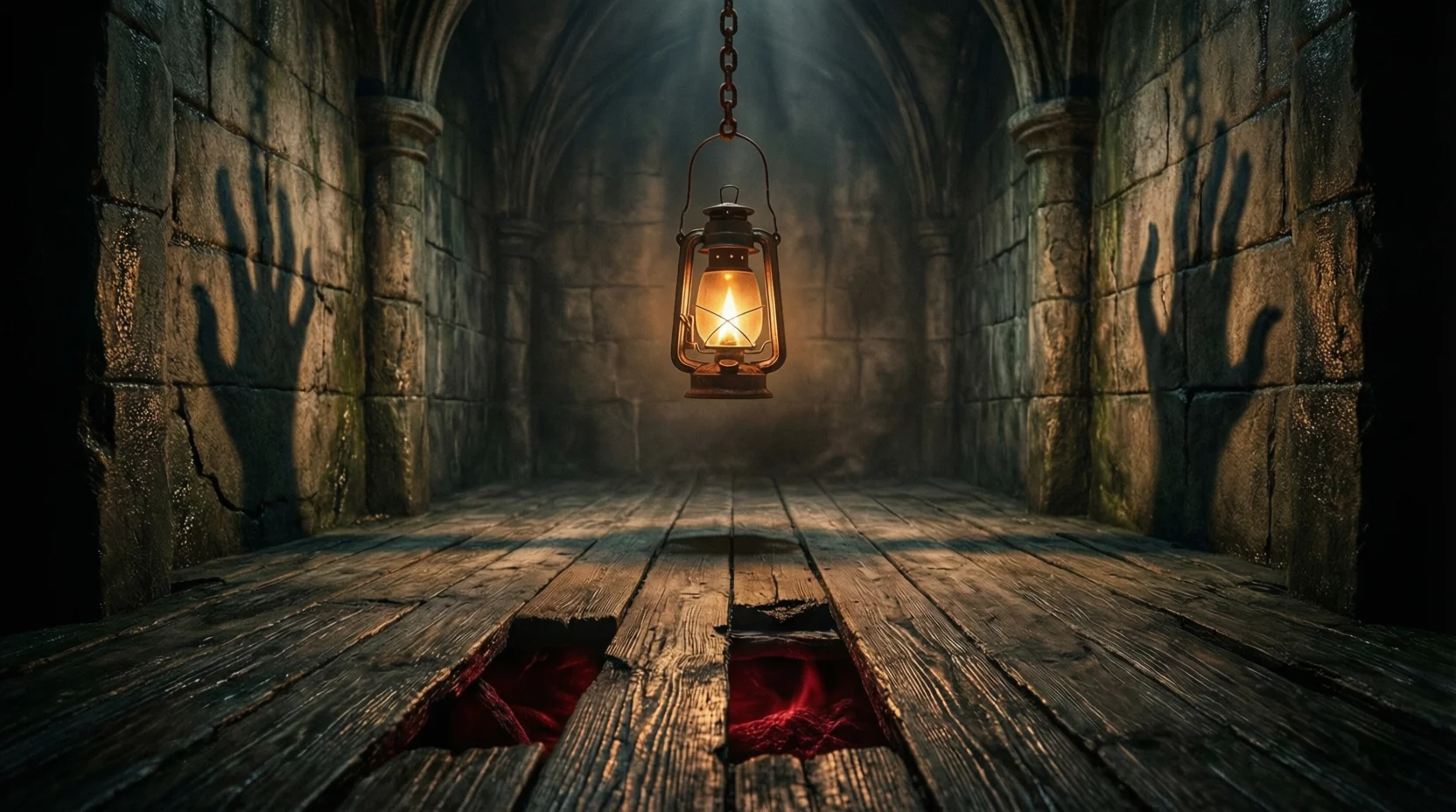
When I first read The Tell Tale Heart, I remember feeling restless, almost uneasy, like something was crawling under my skin. I kept telling myself it was just a scary story, but even after I closed the book, I could not escape it. I could hear that heartbeat in my head, slow and heavy, and I started to wonder why a few pages of fiction had such power over me. I thought the fear was coming from the murder, from the darkness, from the madness of the narrator.
A few days later, I picked it up again because I needed answers. This time, I read it like I was listening to someone confess a secret. That is when I noticed the metaphors hiding in plain sight. The heart was not just a heart. It was guilt. The house was not just a house. It was a mind filled with locked rooms. The night was not just night. It was the moment when sanity sleeps and fear wakes up. I realized I had been reading the story on the surface, missing the real horror underneath.
So I changed how I read. I stopped rushing. I paused at every image and asked myself what it felt like, not what it was. And slowly, the story opened itself to me. The metaphors explained the fear that words could not. I handled my confusion by letting the symbols guide me, and once I did, the story became clear and powerful.
Now when I read The Tell Tale Heart, I do not feel scared anymore. I feel aware. And that is what I want you to feel too.
20 Metaphors in Tell Tale Heart
- The beating heart as guilt
Meaning: Guilt that cannot be silenced
Explanation: The heart represents inner conscience
Examples:
The heart screamed his secret.
Guilt beat louder than silence. - The eye as evil
Meaning: Obsession and fear
Explanation: The narrator projects fear onto the eye
Examples:
The eye watched his sanity fade.
Fear lived inside that eye. - Night as madness
Meaning: Loss of reason
Explanation: Darkness brings his true nature
Examples:
Madness woke at midnight.
Night unlocked his mind. - The lantern as false control
Meaning: Pretended sanity
Explanation: Light is used to feel powerful
Examples:
The lantern gave fake calm.
Control flickered in his hand. - The bed as secrecy
Meaning: Hidden crime
Explanation: Crime is buried under normal life
Examples:
Secrets slept under the bed.
Truth lay still beneath sheets. - The house as the mind
Meaning: Mental prison
Explanation: Rooms represent thoughts
Examples:
His mind had locked doors.
The house trapped him. - Silence as tension
Meaning: Fear before collapse
Explanation: Quiet builds pressure
Examples:
Silence tightened his chest.
Stillness screamed danger. - The floor as denial
Meaning: Hidden truth
Explanation: He hides guilt under it
Examples:
Denial covered the crime.
Truth slept under boards. - The police as reality
Meaning: Truth approaching
Explanation: Reality knocks on madness
Examples:
Reality stood at the door.
Truth wore a uniform. - The chair as arrogance
Meaning: False confidence
Explanation: He sits above his guilt
Examples:
Arrogance sat comfortably.
Confidence balanced on lies. - The clock as time running out
Meaning: Inevitable exposure
Explanation: Time reveals truth
Examples:
Time ticked his doom.
Seconds betrayed him. - The smile as mask
Meaning: Hidden insanity
Explanation: Smile hides fear
Examples:
His smile lied.
Madness wore a grin. - The body parts as broken soul
Meaning: Fragmented mind
Explanation: He cuts his conscience apart
Examples:
His soul lay in pieces.
Mind scattered like flesh. - The heartbeat growing louder as panic
Meaning: Fear of discovery
Explanation: Panic amplifies guilt
Examples:
Panic roared inside him.
Fear made noise. - The chair legs as pressure
Meaning: Guilt weighing down
Explanation: Sitting on truth increases tension
Examples:
Pressure bent his calm.
Guilt pushed upward. - The room as courtroom
Meaning: Judgment space
Explanation: His mind judges him
Examples:
The room accused him.
Walls listened carefully. - The old man as innocence
Meaning: Innocent victim
Explanation: He kills purity
Examples:
Innocence lay still.
Purity was silenced. - The sound as imagination
Meaning: Mental breakdown
Explanation: Madness creates noise
Examples:
His mind created terror.
Noise lived inside him. - The confession as collapse
Meaning: Guilt wins
Explanation: He breaks under pressure
Examples:
Truth burst out.
Guilt confessed first. - The story as a warning
Meaning: Guilt destroys sanity
Explanation: Poe warns readers
Examples:
The tale warns minds.
Guilt ends control.
Conclusion
Metaphors in The Tell Tale Heart turn a simple crime into a deep study of the human mind. Every sound, object, and action speaks for guilt, fear, and madness. When you read the story through its metaphors, you stop seeing horror and start seeing truth. Poe shows that the loudest punishment is not the law but the heart itself.
Practical Exercise
- What does the beating heart symbolize
Answer: Guilt and conscience - What does the eye represent
Answer: Obsession and fear - Why is night important
Answer: It represents madness - What does the floor symbolize
Answer: Denial and hidden truth - What do the police represent
Answer: Reality and truth - What does silence mean
Answer: Tension before collapse - What does the lantern represent
Answer: False control - Why is the house important
Answer: It represents the mind - What does the confession show
Answer: Guilt overpowering sanity - What is the story itself a metaphor for
Answer: A warning about guilt

Eva Rose is a modern author known for emotionally rich and metaphor-driven writing.
Her work focuses on self-growth, resilience, and inner strength.
She transforms complex emotions into clear, relatable insights.
At MetaphorForge, her writing inspires reflection and personal growth.