
Key Takeaways
- The best orthodontic option depends on the patient’s diagnosis, age, oral health, habits, and treatment goals.
- Traditional braces can be useful when a fixed appliance and detailed tooth control are needed.
- Clear aligners are removable and less noticeable, but consistent wear is essential.
- An early orthodontic visit does not always mean a child needs treatment right away.
- Adults can pursue orthodontic treatment when their teeth and supporting tissues are healthy enough for care.
- Retention, follow-up appointments, and the complete financial plan deserve as much attention as the appliance itself.
Choosing orthodontic care is a meaningful decision for Orland Park, Illinois families, whether the patient is a child starting middle school, a teen balancing sports and activities, or an adult preparing for a more confident smile. Orthodontic treatment Orland Park should begin with a complete evaluation that considers the bite, tooth position, oral health, growth patterns, and everyday routine, not simply the appearance of the front teeth.
From busy school mornings in Orland Park to travel baseball, dance, winter basketball, and long workdays on the Illinois expressways, the right appliance needs to fit real life. Braces and clear aligners can both be effective options, but each requires a different level of daily care, follow-up, and personal responsibility.
Why Treatment Choice Matters
Orthodontic treatment is about more than making teeth look straighter in photos. A thoughtful plan may address crowding, spacing, how upper and lower teeth meet, chewing comfort, and areas that may be difficult to clean. Two people with similar-looking smiles can still need different approaches. For example, a young athlete in Orland Park who may misplace removable trays at a weekend tournament and an adult who needs a discreet option for client meetings may have very different priorities.
When to See an Orthodontist
An evaluation can be helpful when teeth overlap, gaps seem unusually large, permanent teeth erupt in unexpected positions, or the bite appears uneven. Families may also seek guidance for crossbites, prominent front teeth, underbites, difficulty biting or chewing, early loss of baby teeth, jaw shifting, or persistent thumb-sucking habits. An appointment does not automatically lead to braces. In many cases, especially for younger children, periodic observation is the most practical next step.
Braces vs. Clear Aligners
Traditional Braces
Braces stay attached to the teeth, so they work continuously without needing to be inserted after meals or school. They can be a strong choice for patients who need a fixed appliance or may struggle to remember aligner wear. Brackets and wires do require careful brushing, flossing tools, and attention to food restrictions that may be recommended during treatment.
Clear Aligners
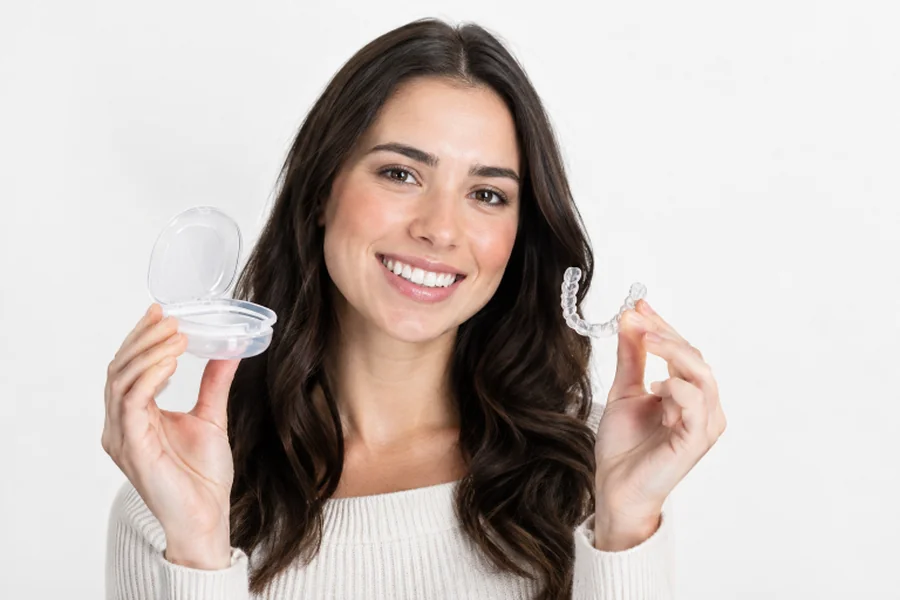
Clear aligners can be removed for meals, brushing, and flossing, which many patients find convenient. Their success depends on wearing trays as instructed, keeping them clean, storing them safely, and attending follow-up visits. Illinois summers can be hot and humid, so trays should never be left in a parked car on a warm day. The FDA clear-aligner safety guidance emphasizes the value of licensed professional supervision and in-person evaluation when aligners are being considered.
A Practical Comparison
- Visibility: Aligners and ceramic braces may be less noticeable, while metal braces are more visible.
- Removability: Aligners come out for meals and hygiene. Braces remain in place.
- Daily responsibility: Aligners require consistent wear. Braces require diligent cleaning around brackets and wires.
- Food choices: Aligners are removed before meals, while braces may require avoiding hard, sticky, or chewy foods.
- Suitability: The recommended option should follow a professional diagnosis, not a one-size-fits-all preference.
Choosing Treatment by Age
Young Children
For children, an orthodontic check can focus on jaw growth, eruption patterns, spacing, and oral habits. Early treatment may be considered for concerns such as a severe crossbite or a tooth that appears blocked from erupting properly. Often, however, the goal is simply to monitor development until the timing is right.
Preteens and Teens
Teens in Orland Park often need a plan that works around classes, practices, winter sports seasons, performances, and social events. Braces may be easier for patients who would find tray wear difficult to manage. Aligners can work well for responsible patients who can maintain their prescribed wear schedule and keep track of trays during meals and activities.
Adults
Adults in Orland Park and the surrounding southwest Chicago suburbs may have options that include clear aligners, ceramic braces, or traditional braces. Before moving teeth, active cavities, gum concerns, and unstable dental work should be addressed. The growing number of adults seeking orthodontic care reflects that treatment is not limited to childhood, although adult planning may involve restorations, gum health, and individual bite goals.
Questions to Ask Before Starting
- What specific bite or alignment concern is being treated?
- Which appliance options are appropriate, and why?
- How long might active treatment take?
- How often will appointments be needed?
- What could slow progress or require plan changes?
- What happens if an aligner is lost or a bracket breaks?
- What retainer will be needed after treatment?
Cost, Insurance, and Budget Planning
Orthodontic fees can vary according to treatment complexity, appliance type, anticipated length, and included services. Ask for a written explanation of what the fee covers, including records, repairs, retainers, follow-up visits, and possible replacement charges. Insurance benefits and payment plans can help, but Orland Park families should confirm how their Illinois employer or dental plan handles orthodontic coverage and avoid choosing solely by the lowest advertised price.
Daily Care and Lifestyle Needs
With braces, patients should brush around brackets and along the gumline, use recommended cleaning aids, and wear a protective mouthguard for contact sports such as hockey, football, or soccer, which are popular among local Orland Park athletes. With aligners, patients should remove trays before eating unless instructed otherwise, clean them as directed, and avoid leaving them loose in a napkin or pocket. Any new pain, poor fit, or bite change should be reported rather than ignored.
Why Retention Matters
Active treatment ends when braces are removed or aligner movement is complete, but teeth can shift afterward. Retainers help hold teeth in their planned positions. Whether a patient receives a removable retainer, a fixed retainer, or both, following the prescribed schedule is part of protecting the result. A lost, cracked, or poorly fitting retainer should be addressed promptly, especially for patients who travel often for work or family visits.
Common Mistakes to Avoid
- Choosing based only on appearance.
- Assuming aligners are automatically easier for every patient.
- Starting before cavities, gum concerns, or hygiene problems are addressed.
- Skipping recommended examinations or follow-up visits.
- Forgetting to ask how retention will work after treatment.
Frequently Asked Questions
Are braces better than clear aligners?
Neither is always better. The right choice depends on the diagnosis, treatment goals, lifestyle, and ability to follow care instructions.
Can adults still get braces?
Yes. Adults in Orland Park and throughout Illinois can receive orthodontic treatment when their oral health and supporting bone are suitable for tooth movement.
How long does orthodontic treatment take?
Timing varies by the amount of movement needed, the treatment plan, appointment attendance, and daily cooperation. A personalized estimate should come from the treating orthodontic professional.
