
Idioms for Good With Meanings and Examples
Idioms for good with meanings and examples for students and ESL learners.

Idioms for good help you describe positive qualities, kind actions, success, improvement, and approval in a more natural way. Instead of repeating the word good, you can use phrases that sound richer and more expressive. These idioms are useful for students, writers, and ESL learners because they make English sound more fluent. You can use … Read more
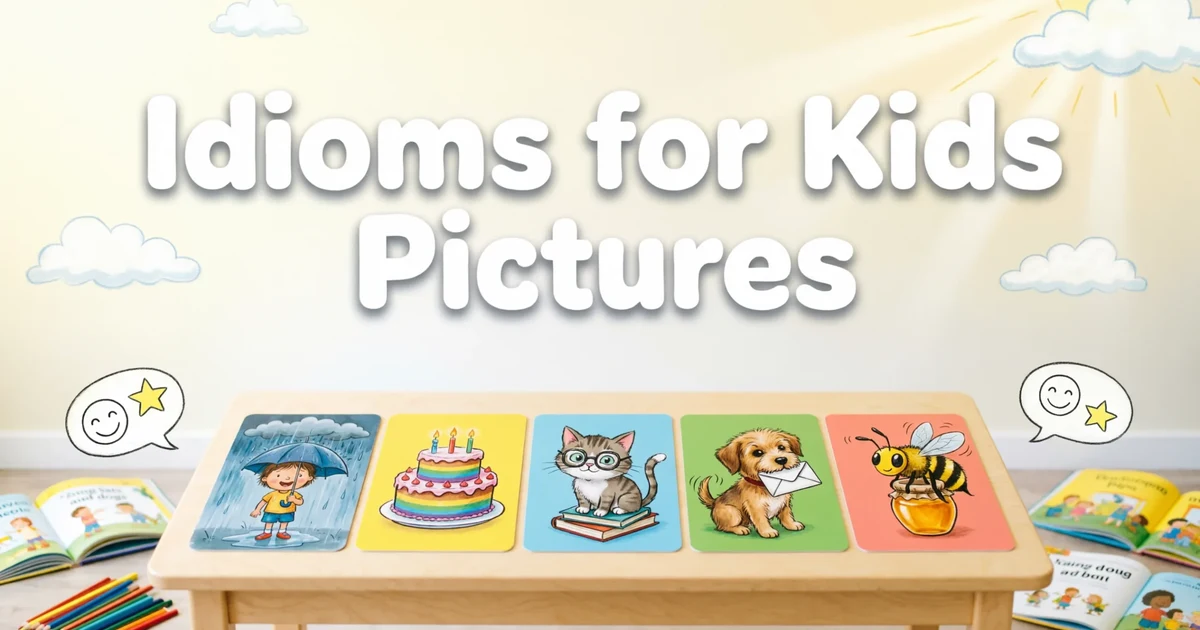

Idioms for Kids Pictures Explained With Examples

Idioms for kids pictures with colorful cards, simple meanings, and fun English examples for young learners.

Introduction Idioms for kids pictures are simple idioms taught with images, drawings, or visual examples. They help children understand phrases that do not mean exactly what the words say. For example, a picture of a cat and dog falling from the sky can help explain it is raining cats and dogs. These picture based idioms … Read more

Idioms for Summer

Idioms for summer with meanings and examples for students and ESL learners.

Summer brings bright days, warm weather, school holidays, outdoor fun, and sometimes extreme heat. That is why many English expressions connect summer with sunshine, energy, freedom, relaxation, travel, and hot weather. Learning idioms for summer helps students, writers, and ESL learners describe the season in a more natural and creative way. These expressions can make … Read more

Idioms for the Moon With Examples

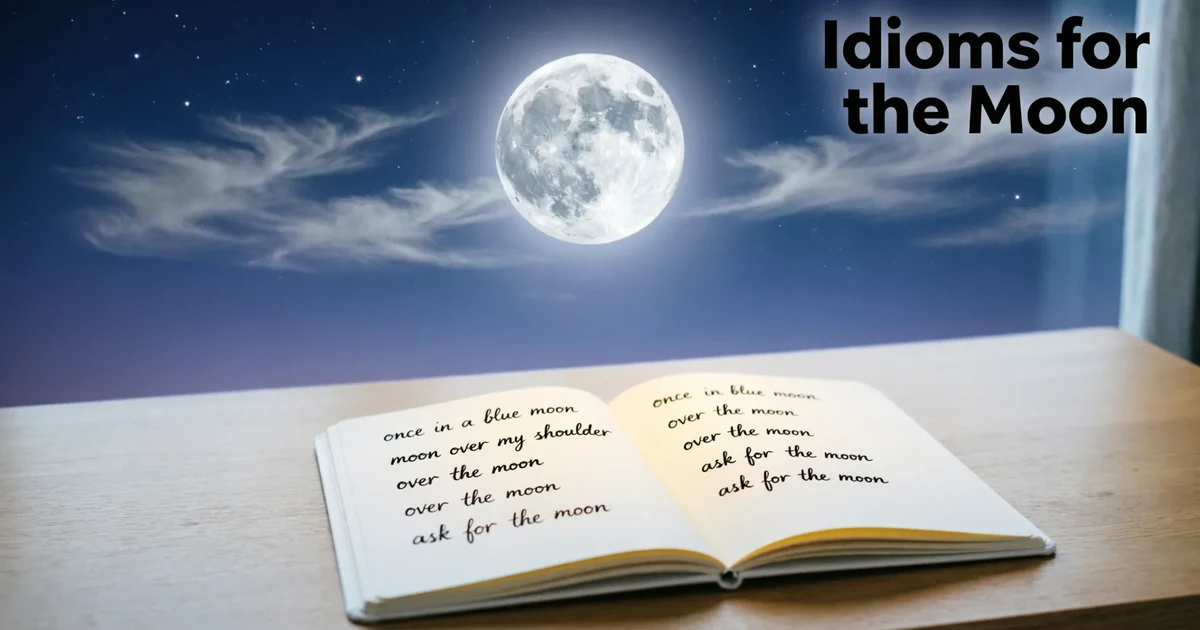
Idioms for the moon shown with a moonlit sky, notebook, and English learning theme.

Introduction The moon has always been linked with dreams, beauty, love, mystery, and distance. That is why many English phrases use the moon to describe strong feelings, rare events, impossible hopes, and poetic scenes. Some idioms for the moon are common in daily English, such as over the moon and once in a blue moon. … Read more

Idioms for Waiting With Meanings and Examples

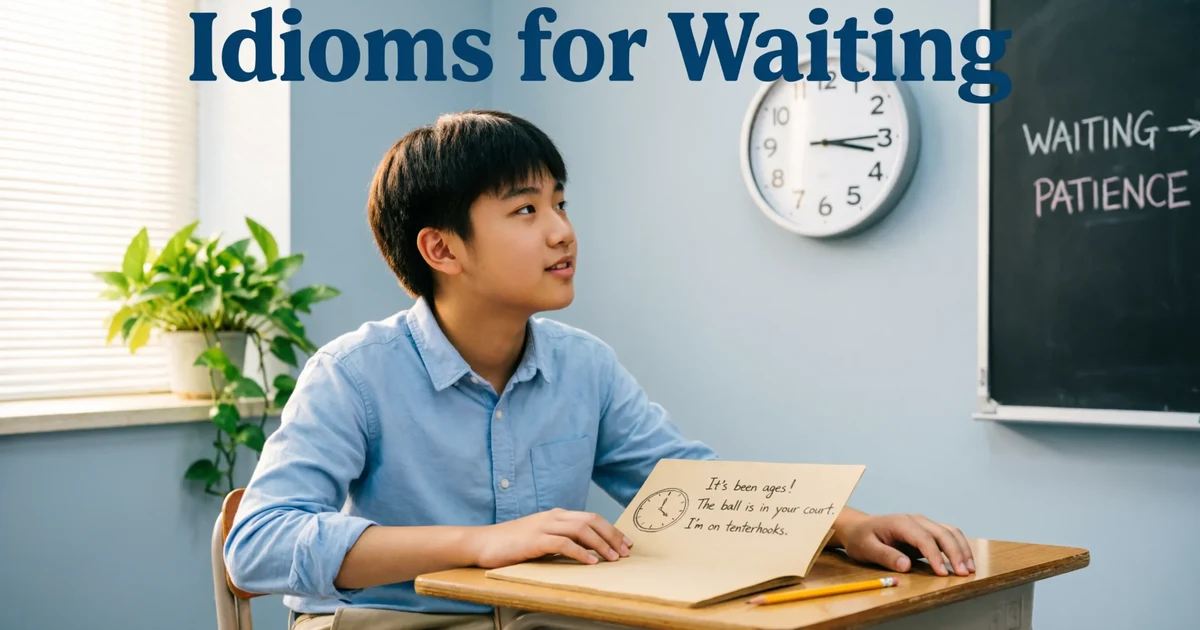
idioms for waiting

Waiting can feel slow, tense, hopeful, boring, or even funny. That is why English has many useful expressions for moments when someone waits for news, a reply, a result, a turn, or a better time. These phrases help students, writers, and ESL learners describe waiting in a more natural way. Idioms for waiting make speech … Read more

Idioms for Writing With Examples

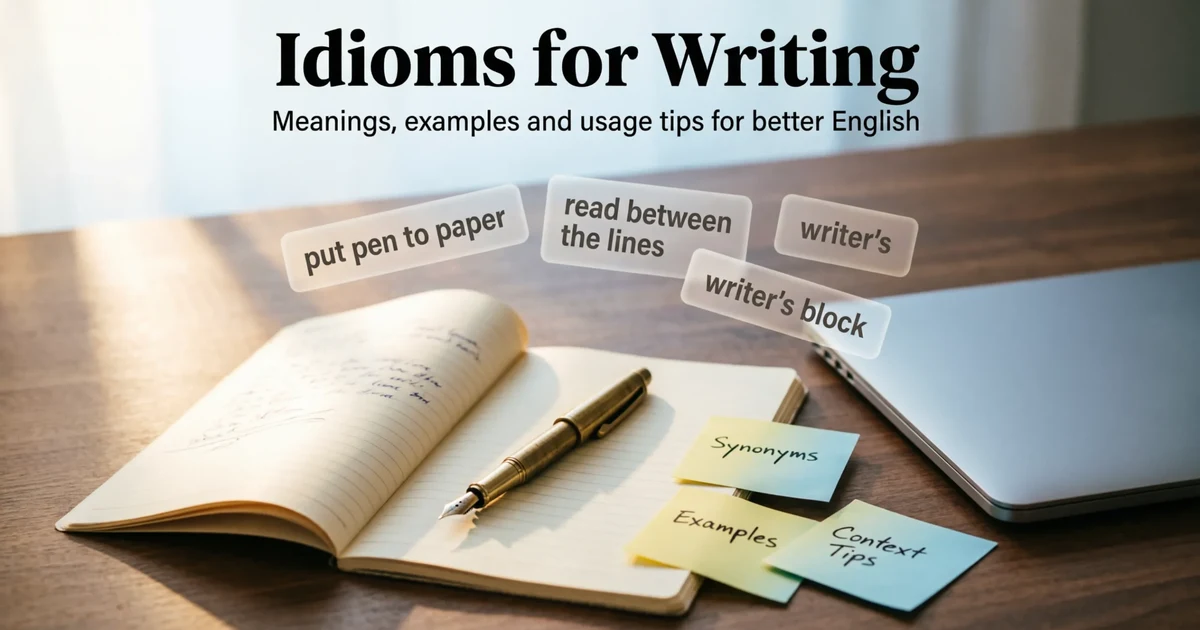
Writing becomes stronger when words feel clear, vivid, and natural. Idioms for writing help students, writers, and ESL learners describe the writing process in a more expressive way. These phrases can talk about ideas, creativity, editing, storytelling, effort, and communication. Many of these idioms do not only belong to writing. People also use them in … Read more

Similes for Sad With Meanings

Similes for sad shown on a rainy writing-themed blog header with soft emotional tones.

Sadness can feel heavy, quiet, lonely, or empty. Writers often use similes to make that feeling easier to picture. Similes for sad compare sadness to familiar things, such as rain, winter, a broken toy, a fading flower, or a dark room. These comparisons help readers feel the emotion instead of only reading the word “sad.” … Read more

Similes Examples in Poetry for Better Writing

Similes examples in poetry with notebook, poetic words, and creative writing visuals for students and writers.

Poetry uses simple images to make feelings, people, places, and ideas easier to see. Similes examples in poetry help writers compare one thing with another using words like as or like. These comparisons can turn an ordinary line into something vivid, emotional, and memorable. Students, writers, and ESL learners can use poetic similes to describe … Read more